
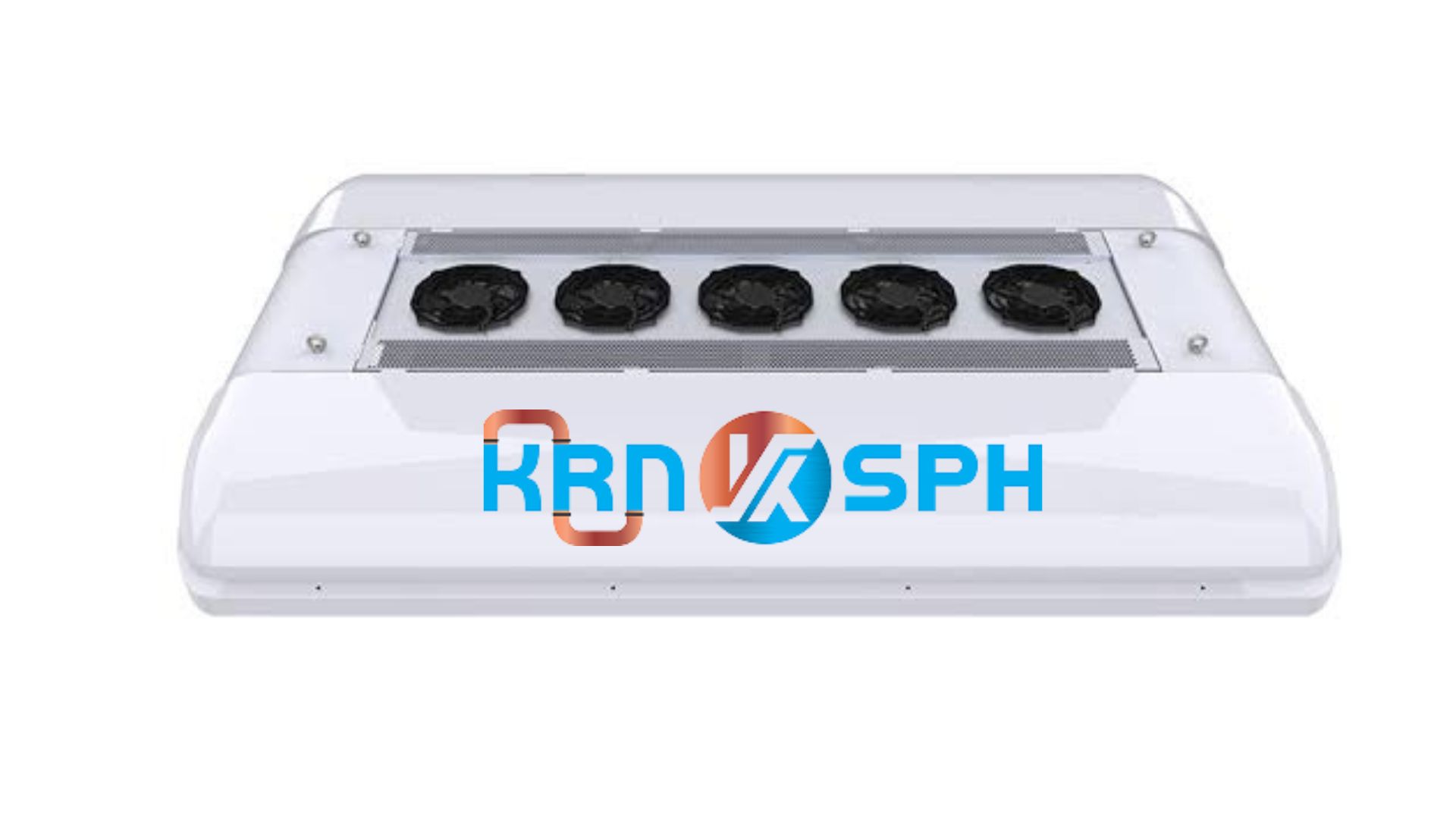
As battery technology advances, more electric vehicles are being introduced. Public transportation is experiencing a major transformation with the increased use of electric buses. This development is influencing all aspects of bus design, including the air conditioning system. The electric bus HVAC systems are essential parts of these buses that help keep passengers comfortable. Unlike traditional air conditioners that use fuel, electric bus air conditioners function differently in terms of how they manage power and are designed. These changes are important for both bus operators and manufacturers to understand.
Parts of Electric Bus HVAC
Compressor
This is the core of the cooling system. It draws power from the battery and compresses the refrigerant to circulate it through the cooling cycle.
Control Panel
The control panel allows operators to adjust and monitor temperature settings. It offers smart controls that enhance the management of the system’s functions.
Expansion Valve
This part regulates the flow and pressure of refrigerant entering the evaporator. Controlling the refrigerant properly improves the system’s overall performance and efficiency.
Condenser
The condenser removes heat from the cabin and changes the refrigerant from a gas to a liquid. A well-functioning condenser is essential for effective cooling.
Blowers and Fans
These components help circulate cool air inside the cabin and expel warm air outside. Blowers associated with the evaporator send cool air throughout the bus, while fans linked to the condenser assist in dissipating heat by moving outside air over the condenser coils.
Inverter
This device regulates the speed of the compressor based on cooling needs. It is an advanced technology that maintains smooth operation instead of simply turning the compressor on and off.
Battery Cooling
These are the fans and refrigerant that reject heat from the batteries other wise the cells get degraded soon due to loss of thermal energy.
How HVAC System Supports the Vehicle
The electric bus HVAC systems regulate temperature and humidity and improve air quality inside the bus. These systems are independent of the main drivetrain as they extract power from the battery and not the diesel engine. These are mounted on the roof to save interior space.
Modern electric bus air conditioners, using inverter technology, are more efficient and durable, offering better control over cooling. They are also quieter because they don’t rely on a mechanical drivetrain. These systems improve the passenger experience in hot weather and crowded areas. The design that places the air conditioning unit on the roof also helps save interior space and ensures better air distribution.
Final Thoughts
To improve the overall experience for riders and passengers, the electric bus HVAC systems play an important part. On a larger scale, they support efforts towards sustainable transportation, as transport companies are more likely to choose electric buses so they can ensure passenger comfort through reliable cooling systems. At KRNSPH, we offer the best air conditioners and battery cooling systems for AC buses. Our models are highly efficient and perform reliably even during long journeys.