
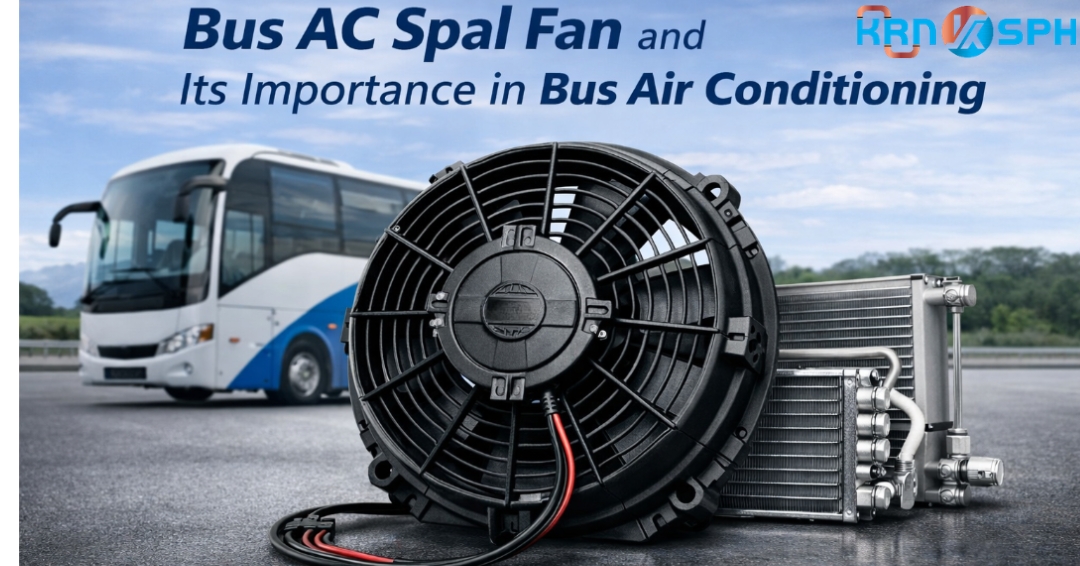
Airflow management is the core function of every air conditioning unit inside a bus. As the temperature outside gets extreme, the air conditioners cool down the cabin temperature by using the functions of their various components. A bus AC Spal fan is a reliable and important feature of the modern cooling system for heavy-duty transport mediums. It is a key component that ensures a stable and comfortable cabin temperature for the passengers. Proper air circulation, heat dissipation and excellent cooling performance are some of the top features of this fan.
Understanding the Function of a Bus AC Fan
A bus AC fan basically has two functions: to reject heat from the cabin and blow cool air inside it. Without proper airflow, even the most advanced AC units fail to deliver expected performance, leading to distrust in passengers and loss of business. These fans are made to deliver high performance in the automotive units. Challenges like traffic congestion, long idle periods and extreme weather make the conditions highly demanding for them, but the bus AC Spal fan ensures steady airflow, overcoming all these challenges. Manufacturers like KRNSPH use these fans in their centrifugal blower and axial condenser unit.
Benefits of Spal Fans For Air Conditioners
Efficient Heat Dissipation
Spal fans in the bus AC extract heat from the refrigerant through condenser coils. This serves the smooth functioning of the cooling cycle, prevents overheating and pressure building in the system.
Performance in Extreme Weather
High traffic temperature during daylight puts a heavy load on the ordinary fans. They fail to meet the cooling expectations. With better fans by SPAL, long-running hours, extreme weather conditions and heavy traffic are all dealt with. The blades continue to run without creating vibrations or the motor heating up.
Energy Efficiency
Span fans are designed to deliver high airflow for long hours, but they still consume less power due to the presence of a brushless DC motor. In electric buses where the air conditioner extracts power from the battery, its efficiency is a big advantage.
Reliability in Harsh Conditions
Buses are exposed to tough conditions in traffic. Vibrations, dust and heat put huge stress on its part. In spite of these conditions, the fans give their desired performance. They do not break down and interrupt the journey of the passengers. The likelihood of failure and costly repairs is less in these fans.
Reduced Compressor Load
By removing heat from the refrigerants quickly, it reduces the need for the compressor to maintain pressure levels.
Conclusion
The effectiveness of a bus air conditioner system is dependent on its airflow management. A good blower or condenser fan is necessary to keep optimal cabin temperature, a comfortable atmosphere and reduce the load on other parts of the system. We at KRNSPH use dependable bus AC Spal fan in our air conditioners. If you want our cooling systems, get in touch with our team.