
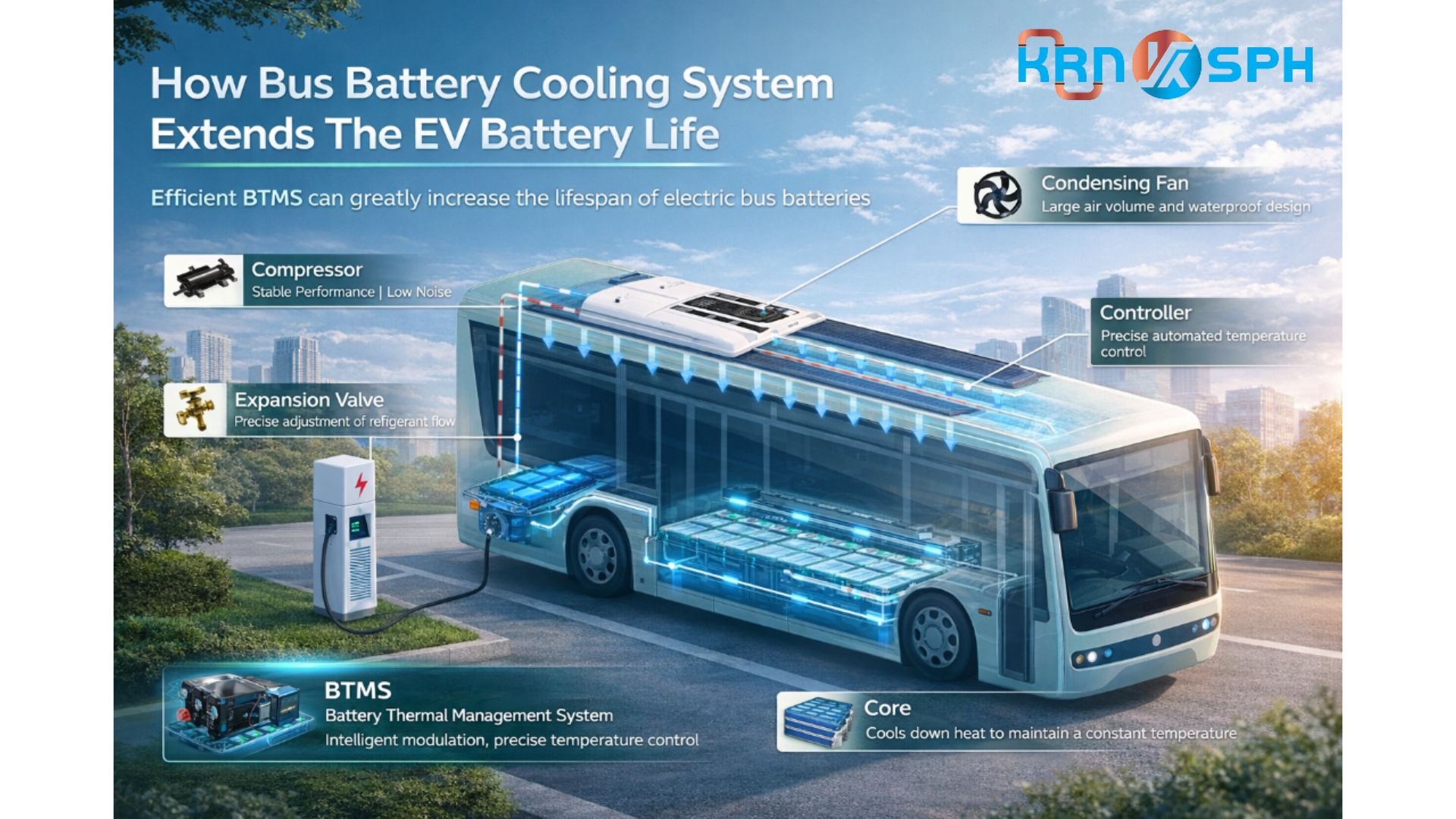
Electric buses are steadily becoming a mainstream medium of transport. Being battery-powered, they always face the concern of thermal management. Heat generation in the large battery packs is unavoidable in the electric buses because of the combined reasons of electron flow, continuous chemical reactions and internal resistance within the cells. Therefore, the engineers have come up with a proven solution, and that is the bus battery cooling system.
As the electric buses have large battery packs, the heat generation can pose safety threats and reduce efficiency. But with a well-functioning cooling system, these concerns are addressed efficiently.
What Is Cooling System For Electric Bus Batteries
A bus battery cooling system is essential for keeping the batteries under an optimal temperature range. Using a liquid coolant, it absorbs the excess heat and releases it outside the system. Without this system, the battery would operate under stressful conditions. The system works within a circulatory framework to prevent the development of heat spots that could corrode the system from the inside.
How This System Extends Battery Life
Maintains Controlled Thermal Conditions
As most EV batteries use Li-ion configurations, they stable temperature range ideally between 20 and 40 degrees centigrade. But the atmospheric temperature may get extreme, causing the battery to heat up. Moreover, the reaction speeds up at higher temperatures, causing the battery to drain. A bus battery cooling system regulated te temperature under ideal conditions.
Ensures Safety from Thermal Runaway
At higher temperatures, the chemicals in the battery decline rapidly. This thermal runaway can lead to faster degradation of the battery packs. Its components begin to expand and contract, and this weakens the whole system. By detecting and removing the excess heat, the cooling system ensures safety from thermal fluctuations.
Uniform Cell Performance
Extracting excess heat is not the only function of the bus battery cooling system. It also maintains uniform coolant distribution so that the temperature inside the cells is even. It allows the cells to age at the same rate and deliver consistent performance.
Supporting Fast Charging Capabilities
Lithium-ion batteries are known to get charged at a fast rate. However, it generates significant heat within the battery. Without a proper cooling system, this heat can wear out the cells. By rejecting the excessive heat from the system, the cooling system enables fast charging so that buses can catch up with the tight schedules.
Final Notes
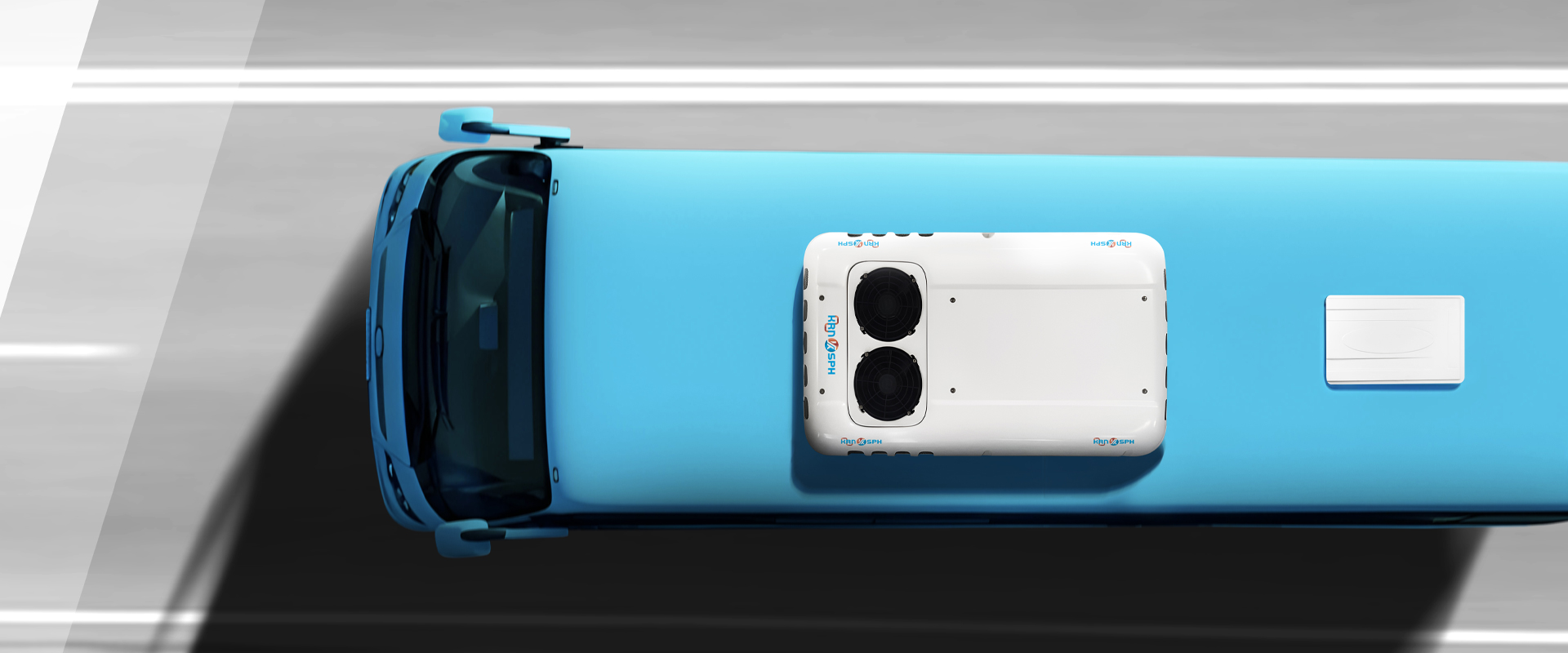
A bus battery cooling system is non-negotiable for any electric bus. It keeps the temperature of the battery under control, supports quick charging and helps the batteries perform well under demanding conditions. A liquid active coolant system is the most common type of battery cooling. It uses channels, plates, or jackets to circulate the coolant around the battery cells and absorb heat from them. We at KRNSPH provide this type of cooling system with high chiller capacity. If you want to buy our battery cooling and other related products, contact our support team.